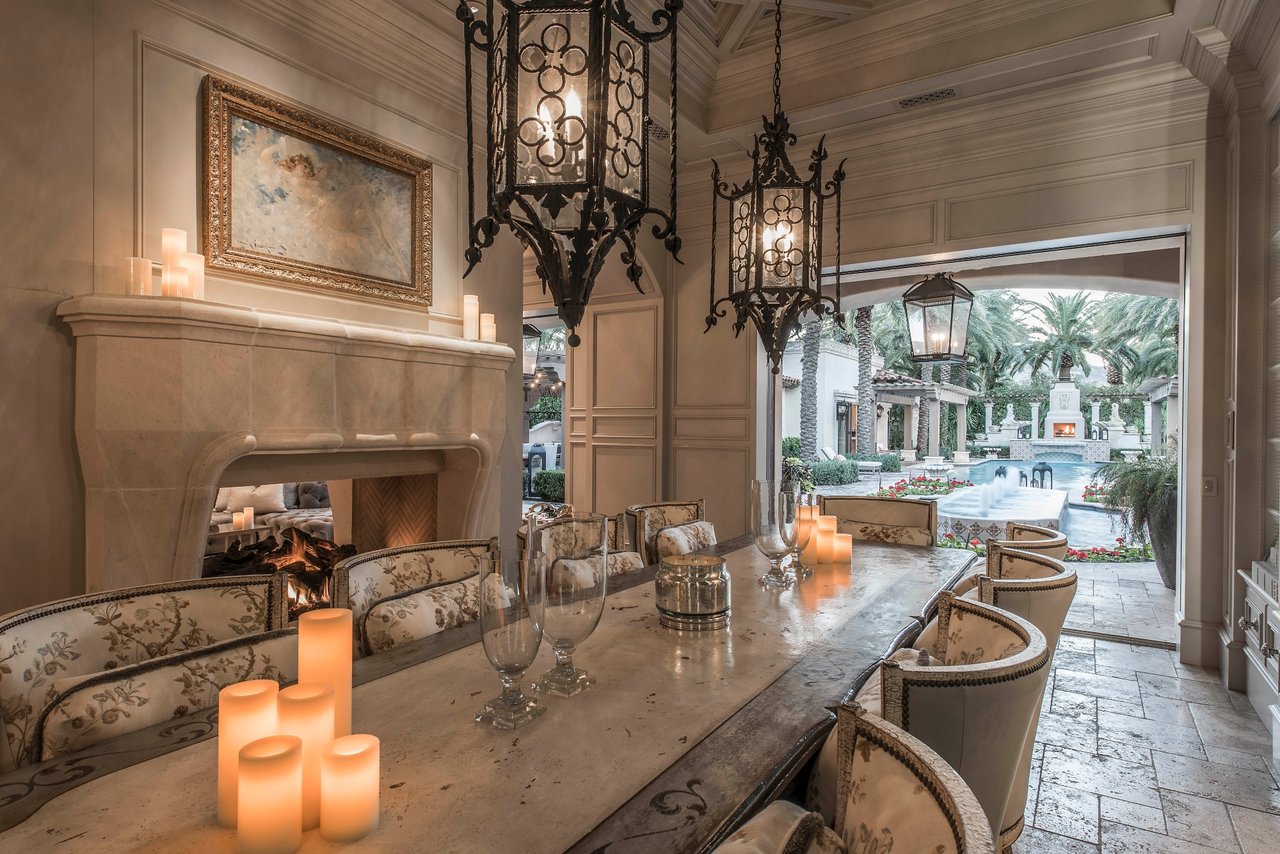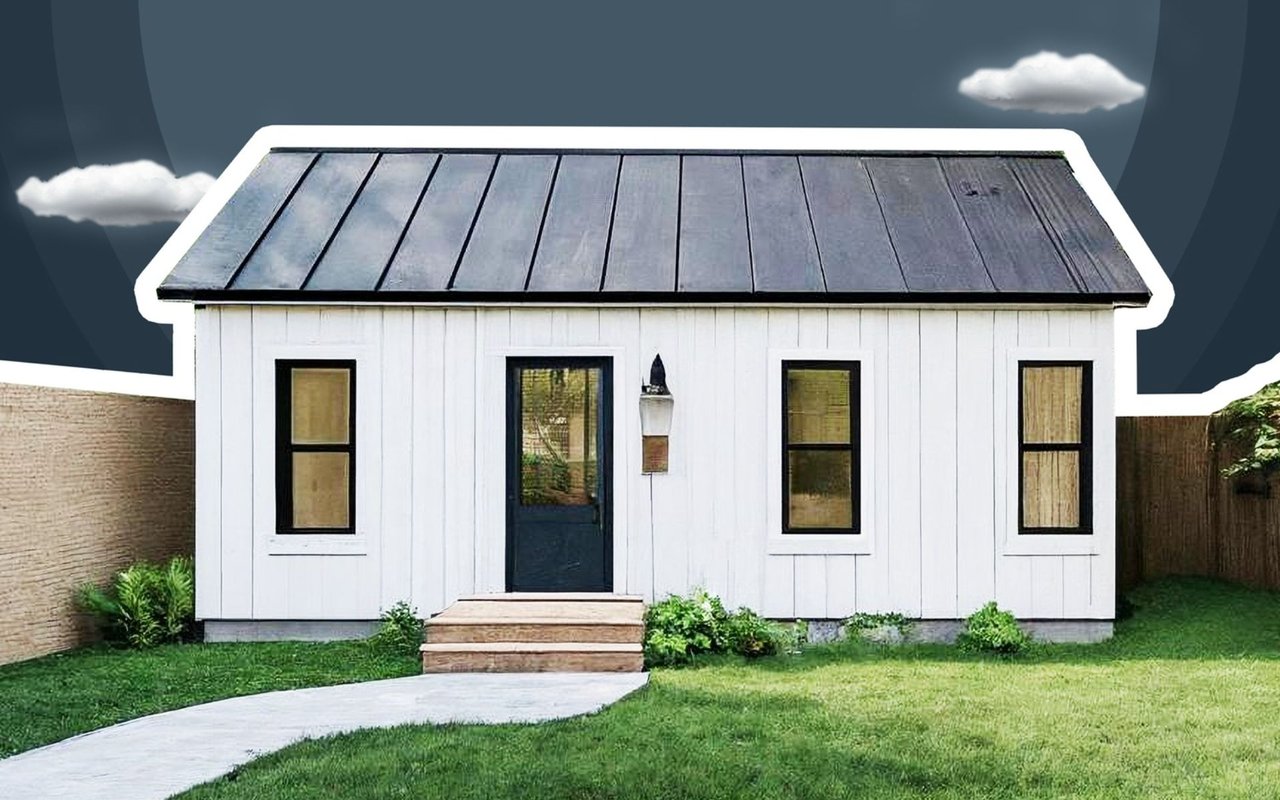
An ADU (accessory dwelling unit) is a secondary, self-contained residence built on the same lot as a primary single-family home. It has its own entrance, kitchen, and bathroom and functions as a completely independent living space.
Also called: in-law suite, granny flat, casita (Southwest), ohana unit (Hawaii), accessory apartment, secondary suite.
Three types: (1) Attached ADU -- connected to the main house with a separate entrance; (2) Detached ADU -- a standalone structure on the same lot; (3) Interior ADU -- a converted space inside the main home such as a basement or attic.
Primary uses: Housing for aging parents or adult children, passive rental income (long-term or short-term via Airbnb/VRBO), home office or studio, guest quarters.
For luxury properties: ADUs add legal square footage and a rentable income unit to estate properties. Zoning and HOA rules vary significantly by city -- verify before building or buying.
Accessory dwelling units go by different names depending on the region: in-law suite, granny flat, casita in the Southwest, ohana unit in Hawaii. Regardless of what they are called, an ADU is an additional living space on a single-family lot that is independent of the primary dwelling, equipped with kitchen and bathroom facilities, and can be either attached to or detached from the main residence.
ADUs have gained significant popularity in high-cost coastal markets like Beverly Hills, Malibu, La Jolla, and Scottsdale, where adding a legal, income-producing unit to an estate property has both lifestyle and financial value. What started as multigenerational housing has evolved into a flexible tool for luxury homeowners -- from rental income to guest quarters to home offices with full separation from the main residence.
ADU Types: Attached, Detached, and Interior
| Type | Description | Best For | Considerations |
|---|---|---|---|
| Attached ADU | Connected to the main house; separate entrance on side or back | Properties where lot size limits a separate structure; lower build cost | Shares wall(s) with main home; less privacy than detached; requires separate entry |
| Detached ADU | Standalone structure on the same lot as the primary residence | Maximum privacy; rental income; multigenerational living with independence | Higher build cost; setback and lot coverage rules apply by city/county |
| Interior ADU | Converted space within the main home -- basement, attic, garage conversion | Most cost-efficient; minimizes exterior footprint; fits most zoning | May require permits for change-of-use; check ceiling height and egress requirements |
| JADU (Junior ADU) | Up to 500 sq ft; carved from existing home footprint; California-specific | CA homeowners wanting ADU income without a full build | California-specific under AB 976/SB 13; efficiency kitchen allowed; no full kitchen required |
ADUs on Luxury Estate Properties
In Beverly Hills, Malibu, La Jolla, and Scottsdale, ADUs on estate lots can add meaningful square footage, a legal rental unit, and significant resale value. BVO Luxury Group advisors can identify which properties in your target market have ADU potential or existing guest structures before you tour.
Talk to a BVO AdvisorUses for Accessory Dwelling Units
Multigenerational Living
ADUs were originally designed to keep families together while preserving each household's independence. Aging parents can live on the same property without sharing a living space. Adult children establishing themselves financially can use an ADU as a starter home. This multigenerational model is particularly common on larger estate lots in markets like Beverly Hills, Bel Air, and Paradise Valley.
Rental Income
Because most ADUs function as fully equipped apartments, they make practical long-term rentals or short-term vacation rentals through platforms like Airbnb or VRBO. In high-demand coastal markets, a well-positioned detached ADU can generate meaningful passive income. Note that short-term rental regulations vary significantly by city -- Beverly Hills, Laguna Beach, and many other California municipalities have strict STR permit requirements that apply to ADU rentals as well.
Guest Quarters and Home Office
For luxury homeowners, a detached ADU or casita functions as private guest quarters, offering visitors full amenities and independence without sharing the main residence. Home office use provides physical separation from the main home for focused work or small business operations.
Key Considerations Before Adding an ADU
Zoning and Local Regulations
California's ADU reform legislation (AB 976, SB 13, and related bills) has significantly streamlined ADU permitting statewide, but local rules still vary on lot size, setbacks, height limits, and parking. In Arizona, Scottsdale and Paradise Valley have their own ADU ordinances. Always verify with local planning before committing to a build. HOAs may also have separate restrictions on ADU construction and use.
Utilities and Infrastructure
ADUs typically share utilities with the primary residence. Before building, verify that existing gas, water, and electrical service can support the additional load. Separate metering is possible in some jurisdictions and is worth evaluating if you plan to rent the ADU long-term.
Budget and Financing
ADU costs vary significantly by type: an interior conversion can run $50,000 to $150,000; a detached structure on an estate lot in California or Arizona may cost $200,000 to $500,000+ depending on size and finish level. Financing options include home equity loans, HELOCs, construction loans, and cash-out refinancing. California also has state-backed ADU financing programs for qualifying homeowners.
Frequently Asked Questions About ADUs
What is an ADU?
An ADU (accessory dwelling unit) is a self-contained secondary residence on the same lot as a primary single-family home. It has its own entrance, kitchen, and bathroom and functions as a fully independent living space. ADUs can be attached to the main house, built as a separate structure on the lot, or created by converting existing space within the home. They are also called in-law suites, granny flats, casitas (Southwest), ohana units (Hawaii), or accessory apartments depending on the region.
What is the difference between an ADU and a JADU?
A JADU (Junior ADU) is a California-specific category limited to 500 square feet, carved from the existing primary home footprint, and may use an efficiency kitchen rather than a full kitchen. A standard ADU has no state-imposed size cap, can be attached or detached, and requires a full kitchen and bathroom. JADUs are the most affordable ADU option for California homeowners who want to add an income unit without new construction.
Can I rent out my ADU on Airbnb or VRBO?
In many markets, yes -- but short-term rental rules vary significantly by city and neighborhood. California cities including Beverly Hills, Laguna Beach, and Santa Monica have strict STR permit requirements. Arizona's Scottsdale and Paradise Valley have their own STR regulations. Always verify current permit availability and HOA restrictions for the specific address before purchasing with STR income in mind.
Does an ADU add value to a luxury home?
Yes. A legal, permitted ADU adds square footage to the property record, provides a rentable income unit, and expands the buyer pool at resale to multigenerational buyers and investors. In high-value California and Arizona markets, a well-designed detached guest house or casita on an estate lot typically supports price premiums.
What are the ADU rules in California in 2026?
Most California single-family lots may build one ADU and one JADU by right without discretionary review. Setback requirements are 4 feet from rear and side property lines for detached ADUs. Parking requirements are waived in most circumstances. Utility connection fees are limited for ADUs under 750 square feet. Local cities may impose design and size standards but cannot prohibit ADUs outright.
How much does it cost to build an ADU?
Interior conversions typically run $50,000 to $150,000. Attached ADU additions generally cost $100,000 to $250,000. Detached ADUs range from $150,000 to $400,000 for a modest unit and $300,000 to $600,000+ for a luxury guest house on an estate lot in California or Arizona in 2026. Financing options include home equity loans, HELOCs, construction loans, and California's state ADU loan programs.