
Home Seller Strategy Guide
What is an iBuyer? The Pros and Cons of Selling Your Home to One
Is selling to an iBuyer the right choice for your property? An iBuyer (instant buyer) is a real estate company that uses automated valuation technology to make rapid, all-cash offers on residential homes. While iBuyers offer exceptional speed and convenience by eliminating showings and staging, sellers typically sacrifice net equity by accepting below-market offers and bearing mandatory repair deduction costs.
Deciding between a traditional real estate agent listing, a For Sale By Owner (FSBO) approach, or an iBuyer transaction depends entirely on your priorities. For sellers in Phoenix or Southern California, understanding the financial trade-offs of the iBuyer model is essential before signing a contract.

The iBuyer Model
What Actually is an iBuyer?
An iBuyer is a well-capitalized real estate corporation that purchases homes directly from sellers using Automated Valuation Models (AVMs) to generate offers sight unseen, often within minutes or days.
The process begins when a homeowner submits basic property data - such as address, square footage, age, and upgrades - through the company's platform. If the initial algorithmic bid is accepted, the iBuyer conducts an in-person assessment to finalize the offer and deduct repair costs before closing the transaction.

Advantages
The Pros of Selling to an iBuyer
Speed and Convenience
The primary advantage of the iBuyer route is extreme convenience. It eliminates the need for professional staging, landscaping enhancements, and the disruption of accommodating buyer showings and open houses.
Fast Relocations and Inherited Properties
iBuyers provide flexible closing dates ranging from 10 to 90 days. This is highly beneficial if you are relocating for work, managing an inherited property you do not want to maintain, or need immediate liquidity from your home's equity.
All-Cash Offers and Certainty
Because iBuyers utilize corporate capital, they provide all-cash offers. This removes the risk of a traditional buyer's mortgage financing falling through at the last minute, delivering absolute certainty that the transaction will close once the final offer is signed.
Phoenix Market Note: iBuyers actively target mid-market tract homes in the East Valley.



Disadvantages
The Cons of Selling to an iBuyer
Lower Net Purchase Prices and Repair Deductions
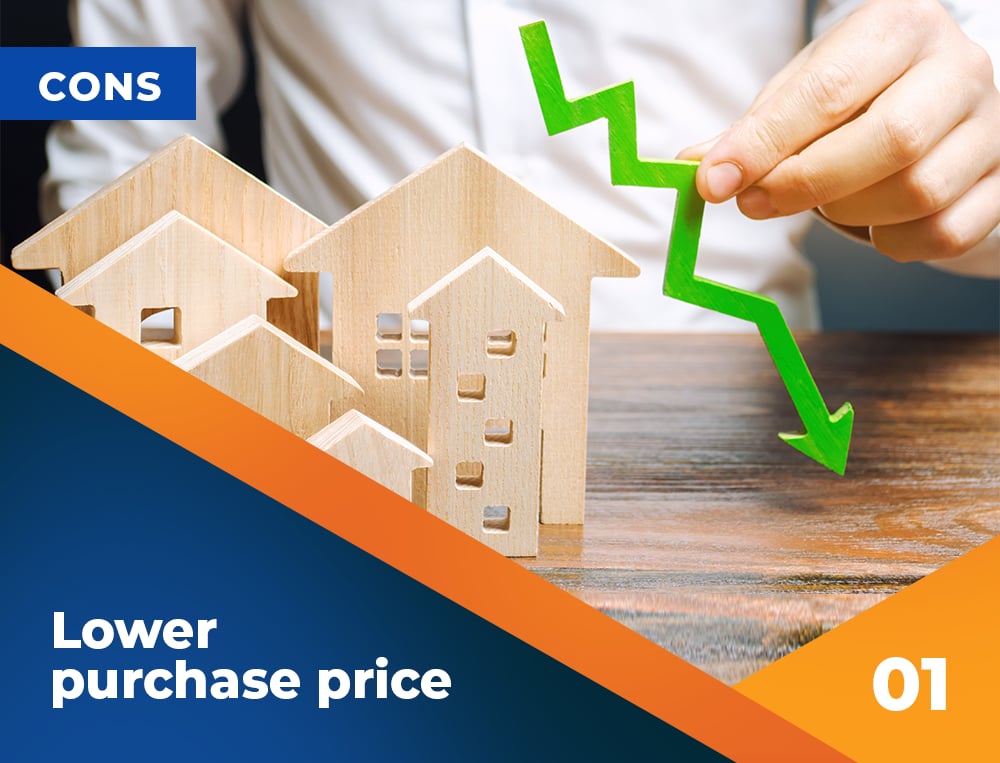
iBuyers mitigate the risk of carrying inventory by offering below fair market value. Additionally, after the in-person inspection, the company will deduct their estimated repair costs directly from your net proceeds. You pay a financial premium for the convenience they provide.

Strict Property Qualifications (Condition & Age)
Unlike traditional house flippers who target distressed properties, iBuyers algorithmically target newer, standardized homes in good condition. They routinely reject older homes, highly customized luxury estates, or properties requiring major structural work. In luxury markets like Scottsdale or Santa Monica, bespoke homes rarely fit the iBuyer algorithm.
Limited Market Availability and Lack of Connection
iBuyers do not operate in every zip code, often avoiding rural areas or highly specialized coastal enclaves. Furthermore, selling to an algorithm removes the human element - you lose the ability to negotiate creatively, understand the buyer's motivations, or rely on a fiduciary agent to protect your financial interests.

Comparison Matrix
iBuyer vs. Traditional Agent Ledger
A summary guide comparing the financial and logistical trade-offs of the two primary home selling methods.
Transaction Feature | iBuyer Sale | Traditional Agent Sale |
|---|---|---|
Net Financial Return | Lower (Below market value + mandatory repair deductions) | Highest (Market-driven pricing & competitive bidding) |
Speed & Convenience | High (Close in 10-90 days, no showings required) | Variable (Requires staging, showings & typical 30-day escrow) |
Property Eligibility | Strict (Newer, standardized tract homes preferred) | Universal (Custom luxury, older homes & unique parcels accepted) |
Negotiation Leverage | None (Take-it-or-leave-it algorithmic pricing) | High (Agent negotiates terms, repairs & contingencies on your behalf) |
Source: BVO Luxury Group Advisory Practice and regional real estate transaction data.
Related Reading & Resources
Related Home Selling & Market Guides
Explore additional seller resources, market valuations, and regional community guides across Arizona and California.
Andrew Bloom | BVO Luxury Group
Led by Andrew Bloom, BVO Luxury Group represents buyers and sellers across Southern California and Arizona. Delivering over $1,000,000,000 in closed transactional volume and 30 years of high-net-worth real estate experience, our firm provides guidance through every complex real estate scenario.
Seller Inquiries
Frequently Asked Questions
What is an iBuyer in real estate?
An iBuyer (instant buyer) is a real estate corporation that uses automated valuation algorithms to make fast, all-cash offers on homes sight unseen, allowing sellers to close quickly without listing the property publicly.
Do iBuyers pay fair market value for homes?
Generally, no. iBuyers offer slightly below fair market value to mitigate their holding risk and ensure profitability. They also deduct estimated repair costs directly from the final net proceeds paid to the seller.
Will an iBuyer buy a home that needs major repairs?
Usually not. iBuyers primarily target standard, newer homes that require only cosmetic or minimal repairs. They tend to reject older homes, distressed properties, or highly customized luxury estates.
Real Estate Representation
Ready to Sell Your Home?
Contact BVO Luxury Group today to compare your home's true market value against automated offers and secure expert representation across Arizona and California.