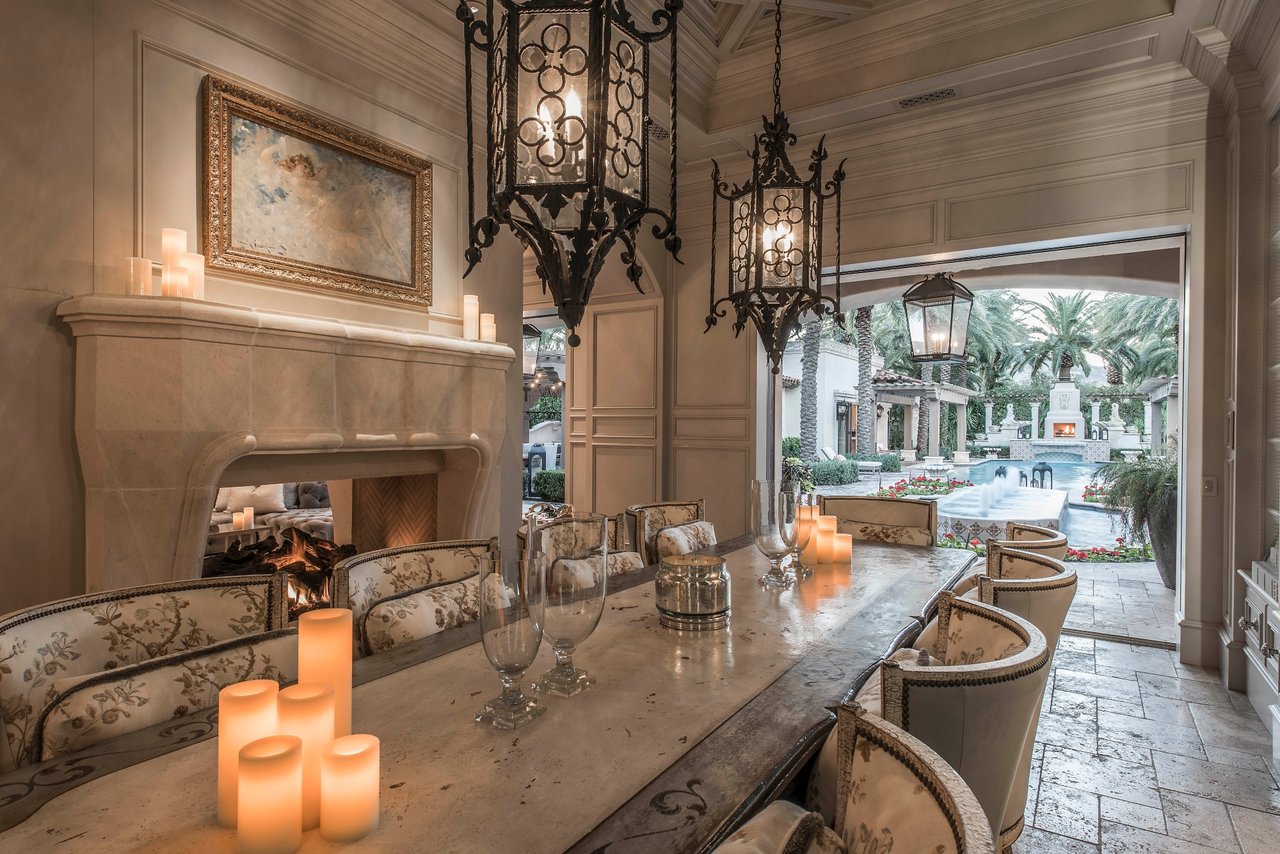
In May 2026, a beachfront home on Pacific Coast Highway in Paradise Cove closed for $35 million. In the same three months, a few miles inland in Corral Canyon, a 1970s three-bedroom with ocean views sold for $1.325 million. Both are single-family homes. Both closed in the second quarter of 2026. And if you tried to average those two sales into a single "Malibu home price," you'd learn almost nothing true about either one.
That's the problem with the headline number circulating this year. Malibu's median single-family sale price landed at $4,089,910 in Q2 2026, down roughly 15% from the same quarter in 2025. Read on its own, that looks like a market in retreat. Read against the rest of the quarter's data, it tells a different story: sales more than doubled to 48 homes from 23 a year earlier, homes sold in an average of 59 days compared to 69 the year before, and price per square foot barely moved. Buyers came back. The homes they bought changed.
If you're comparing Malibu to other coastal markets right now, the median is the wrong instrument. Here's the mechanism underneath it, and what it means for anyone deciding whether Malibu still makes sense.
The fire didn't discount Malibu. It removed a price tier.
The January 7, 2025 Palisades Fire destroyed 532 single-family homes in Malibu, according to the city's count, concentrated along the eastern end of town and in the canyons. Western Malibu, from Point Dume through Zuma and Trancas, was largely spared.
That geography matters more than any single quarterly number, because the homes that burned skewed toward Malibu's lower-priced tier. When a disproportionate share of your less expensive inventory disappears from the market at once, and the surviving lots get sold and counted as land rather than homes, the remaining "home" sales sample tilts upward in some ways and gets thinner in others. The median doesn't fall because Malibu got cheaper. It moves because the mix of what's actually transacting changed underneath it.
Redfin's three-month data through May 2026 shows the split plainly. Eastern Malibu's median sale price sat at $4.4 million, down 13.3% year over year, but homes there sold in an average of 40 days, down from 78 the year before. That's a market absorbing inventory fast, largely because much of what's for sale in the east is priced to move. Western Malibu's median came in at $4.0 million over the same window, down just 0.83% year over year, with price per square foot up 38%. But homes there took an average of 256 days to sell, up from 122. Western Malibu isn't discounting. It's barely transacting, because owners who weren't touched by the fire have no urgency to sell into an uncertain year.
Two neighborhoods, same city, same quarter, moving in opposite directions on both price and speed. A single citywide median flattens that into a number that describes neither one.
Burned lots aren't homes. They're a different asset with different math.
The other piece the median misses entirely: land. Thirty lots sold across Malibu in Q2 2026 at a median of roughly $1.3 million, ranging from modest inland parcels to multimillion-dollar coastal sites, and many traded well below asking as buyers priced in the rebuild ahead of them. Those transactions don't appear in the single-family home figures at all. They're a separate category now, with a separate buyer pool.
That buyer pool skews toward investors. In the three months ending November 30, 2025, investors purchased 19 of the 43 lots sold in Malibu's 90265 zip code, or 44.2% of transactions, more than double the share from a year earlier, according to Redfin data reported by the Santa Monica Mirror. Some of those buyers are betting on a faster rebuild timeline than most owner-occupants can stomach. Others are simply positioning for Malibu's long-term scarcity, since the city can't add coastline no matter how the next few years shake out.
For a buyer comparing a burned Malibu lot to a finished home somewhere else on the coast, the honest comparison isn't lot price to home price. It's lot price plus rebuild cost plus rebuild time, because none of those are optional.
The rebuild clock is the real variable, and it runs slower than most buyers expect
Malibu sits entirely within the California Coastal Zone, which means most rebuilds, even ones that stay close to the original footprint, touch the Coastal Development Permit process at some point. A straightforward CDP runs 12 to 24 months and costs $11,579 or more in fees, with public noticing and a Planning Commission hearing. A contested one, where a neighbor or advocacy group appeals to the Coastal Commission, can stretch to 18 to 24 months and run $50,000 to $100,000 or more in combined fees and legal costs.
Malibu's own rebuild data, current through late June 2026, shows the recovery is real but still early: 269 property owners had started rebuilding, 342 planning approvals had been granted, and 77 rebuilding permits had been issued for construction, out of roughly 900 total building permits issued across debris removal, repairs, and reconstruction combined. That's meaningful movement a year and a half after the fire, but it's a fraction of the eventual total, and it confirms what the timeline math already suggests: most fire-affected parcels are still lots, not houses, and will be for a while.
Carrying costs accumulate the entire time a property sits in that gap. On a $3 million Malibu property, taxes, insurance, and financing typically run $8,000 to $15,000 a month. Over a 30-month rebuild, that's $240,000 to $450,000 before a single wall goes up. Anyone underwriting a burned-lot purchase against a comparable finished home elsewhere needs that number in the pro forma from the start, not discovered halfway through design.
The beachfront segment is the slowest-moving piece of all
If eastern and western Malibu are moving at different speeds, the beachfront is moving at its own, slower pace than either. An August 2026 accounting in the Malibu Times found 66 beachfront homes listed for sale, with only three pending or under contract, and just 16 sold across the first seven months of the year. At that pace, it would take more than two years to sell the current beachfront inventory even if nothing new came to market. Burned beachfront lots are thinner still: 31 listed, one pending, one under contract, five sold in the same seven months, an absorption pace measured in years rather than months.
That's not a sign the beachfront lost its appeal. Larry Ellison still owns properties on Carbon Beach, and a $35 million Paradise Cove closing happened in the same quarter as everything else in this piece. It's a sign that beachfront sellers, unlike eastern-Malibu land sellers facing rebuild pressure, are largely under no obligation to move a listing quickly, and buyers at that price point are taking their time given how much has changed about insurance underwriting and coastal construction requirements since the fire.
What this means if you're comparing Malibu to somewhere else
If you're a buyer weighing Malibu against another coastal option, the median price you see on a portal today is compressing at least three separate markets: finished homes in fire-spared western neighborhoods holding their value, a new land market in the east priced for rebuild risk, and a beachfront segment moving at its own unhurried pace. None of those numbers substitute for the other two.
The practical version: ask which of those three markets a specific listing actually belongs to before comparing its price to anything else. A $4 million figure in Point Dume and a $4 million figure on a cleared eastern lot are not the same $4 million. One is a finished home in a neighborhood the fire didn't touch. The other is the starting line of a multi-year project with its own permitting calendar, its own insurance underwriting, and its own carrying costs layered on top.
Frequently asked questions
Did Malibu home values actually drop 15% to 20%? Not in the way that headline implies. Price per square foot in the Q2 2026 data held roughly flat even as the median fell, which points to a change in what sold, not a citywide markdown on value. Western Malibu's median was down less than 1% year over year over the same window that the eastern side and the citywide blend showed double-digit declines.
Is a burned Malibu lot a good deal right now? It depends entirely on the rebuild math, not the sticker price. A $1.3 million lot with a 24-month CDP process and $300,000 in carrying costs ahead of it is a different investment than a $1.3 million lot on a like-for-like rebuild path measured in months. Run the full timeline before comparing the number to anything else.
How long should a buyer plan for, start to finish, on a Malibu rebuild? City data through June 2026 shows the recovery is active but still in its early-to-middle stages a year and a half after the fire. A straightforward Administrative or Site Plan Review can move in three to six months. A full Coastal Development Permit runs 12 to 24 months before construction even starts, longer if it's appealed. Anyone underwriting a purchase should plan around the CDP timeline, not the fastest case they've heard about.
Malibu's market didn't get simpler this year. It split into pieces that each deserve their own read, and the sellers, buyers, and rebuilders navigating those pieces need someone tracking all three at once. If you're weighing a Malibu purchase, a rebuild, or a sale against the wider Southern California coast, BVO Luxury can walk through which of these submarkets your specific situation actually falls into. Contact us.