
Real Estate Transaction Guidance
5 Common Real Estate Closing Delays & How to Avoid Them
What causes real estate closing delays? National data shows 11 percent of real estate contracts experience closing delays and 6 percent encounter cancellation due to buyer financing changes, appraisal gaps, title liens, wire transfer issues, or final walkthrough disputes. Proactive planning helps buyers and sellers navigate transaction timelines smoothly.
Whether buying or selling a home in Scottsdale, Phoenix, or Southern California, the closing date represents the final milestone. Understanding these common friction points protects your contract schedule and transaction equity.

Issue #1
1. Challenges in Buyer Financing
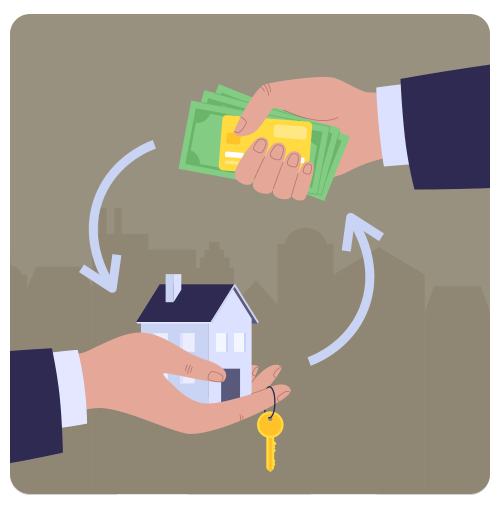
Delayed or denied mortgage financing remains a primary driver of extended closing timelines. Buyers frequently assume that prior pre-approval or a formal loan commitment guarantees final underwriting clearance. However, lenders re-verify credit profiles, bank balances, and employment status within days of settlement.
Opening new credit lines for vehicles or furniture, changing employment, experiencing late debt payments, or depositing unaccounted cash gifts triggers mandatory underwriting re-evaluations that stall closing.
How to Avoid: Freeze all major financial changes between mortgage pre-approval and final closing. Avoid applying for new credit or changing jobs, and maintain direct communication with your loan officer to clear conditions early.
Issue #2
2. Discrepancies in Home Appraisal Value
A professional home appraisal establishes fair market value for mortgage underwriting. Lenders require the appraised value to meet or exceed the agreed purchase price. When an appraisal falls short, creating an appraisal gap, settlement is delayed until resolved.
National survey data indicates that appraisal issues account for roughly 7 percent of contract delays during fast-moving market cycles.
Paradise Valley Luxury Standards: Near Lincoln Dr, Paradise Valley, AZ | Custom appraisal comps
Scottsdale Biltmore Market: Near Camelback Rd, Scottsdale, AZ | High-density appraisal standards

Price Adjustments
Sellers may lower contract prices to match appraised valuations.
Appraisal Gaps
Buyers can cover valuation gaps in cash or submit formal comp Rebuttals.
Issue #3
3. Issues with Real Estate Title

A clean real estate title verifies legal ownership and ensures unencumbered property transfer. During escrow, title examiners audit public records to confirm the absence of outstanding claims, tax liens, or co-owner disputes.
According to Bankrate research, unrecorded tax liens, unpaid HOA assessments, or recording errors in public records halt transactions until legal releases are processed.
How to Avoid: Sellers can order preliminary title reports through a real estate attorney or title officer early in the listing period to clear old liens or clerical errors before opening escrow.
Issue #4
4. Problems with Wire Transfers and Funds

Settlement requires cleared funds for down payments and closing costs. Incomplete wire transfers, daily bank transfer limits, or incorrect wiring instructions cause immediate day-of-closing delays.
While some escrow entities accept cashier's checks for minor balances, large closing balances almost exclusively require federal wire transfers with verified instructions.
How to Avoid: Confirm exact wire instructions directly with your title officer via phone prior to sending funds. Initiate wire transfers at least 24 to 48 hours before closing, and bring a personal checkbook to closing for minor final adjustments.
Issue #5
5. Revelations During the Final Walkthrough

The final walkthrough occurs 24 to 48 hours before settlement, allowing buyers to verify property condition and confirm completed inspection repairs.
Common walkthrough friction points include missing fixtures that buyers assumed were included, incomplete repair work, or newly discovered appliance and HVAC malfunctions.
How to Avoid: Specify included fixtures explicitly in purchase contracts. Ensure inspection repair agreements require licensed contractor invoices delivered prior to the walkthrough.
Closing Delay Ledger
Real Estate Closing Delay Mitigation Ledger
A quick-reference guide detailing common closing bottlenecks, primary causes, and preventative buyer/seller actions.
Delay Factor | Primary Root Cause | Preventative Transaction Action |
|---|---|---|
Financing Shifts | New credit lines or job changes pre-closing | Maintain strict financial status quo post-approval |
Appraisal Shortfall | Rapid market appreciation gap | Negotiate appraisal gap coverage or price adjustments |
Title Clouds | Unpaid HOA fees or historical liens | Order preliminary title commitments at listing start |
Wire Delays | Bank transfer cutoffs or fraud holds | Initiate verified electronic wire transfers 24-48 hours early |
Walkthrough Disputes | Unfinished repairs or missing fixtures | Require repair receipts & specify fixtures in purchase contract |
Source: National Association of REALTORS® Confidence Index Survey and BVO Luxury Group Escrow Practice. Audited for accuracy against regional real estate standards.
Related Reading & Resources
Related Home Buying & Market Guides
Browse broader regional market guides, seller strategies, and local community overviews across Arizona and California.
Andrew Bloom | BVO Luxury Group
Led by Andrew Bloom, BVO Luxury Group represents buyers and sellers across Southern California and Arizona. Delivering over $1,000,000,000 in closed transactional volume and 30 years of high-net-worth real estate experience, our team ensures smooth, predictable escrow closings for every client.
Escrow Inquiries
Frequently Asked Questions
What are the most common reasons for a real estate closing delay?
The most frequent causes of closing delays include last-minute buyer financing changes, appraisal gaps, title search liens, delayed wire transfers, and walkthrough repair disputes.
How can buyers prevent last-minute mortgage financing delays?
Buyers should refrain from opening new credit cards, purchasing large items on credit, changing jobs, or making large unverified bank deposits between loan approval and closing day.
What happens if an appraisal comes in lower than the agreed purchase price?
If an appraisal gap occurs, parties can negotiate a price reduction, the buyer can pay the difference in cash, or both parties can contest the appraisal with recent comparable sales.
Ensure Escrow Success
Ensure a Smooth Real Estate Closing
Contact BVO Luxury Group today for expert transaction guidance, off-market property representation, or a comprehensive market valuation of your property.